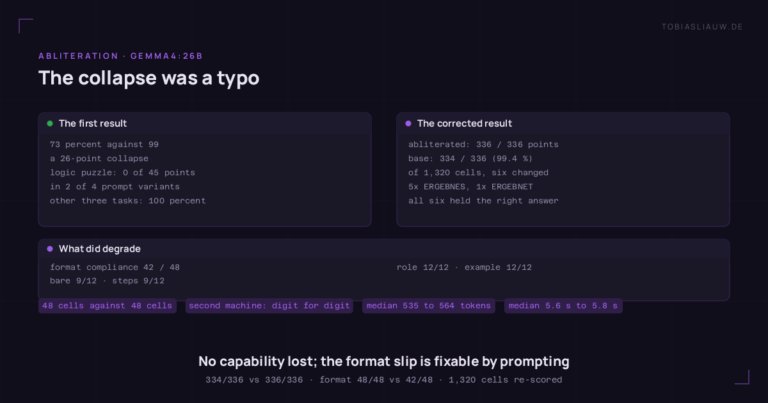
What abliteration costs — and what it doesn’t
An abliterated model scored exactly zero out of 45 on the logic puzzle. "Abliteration destroys reasoning" would have made a good headline. It just was not…
Blog
Infrastructure, AI, tools, and the decisions behind them.
An abliterated model scored exactly zero out of 45 on the logic puzzle. "Abliteration destroys reasoning" would have made a good headline. It just was not…
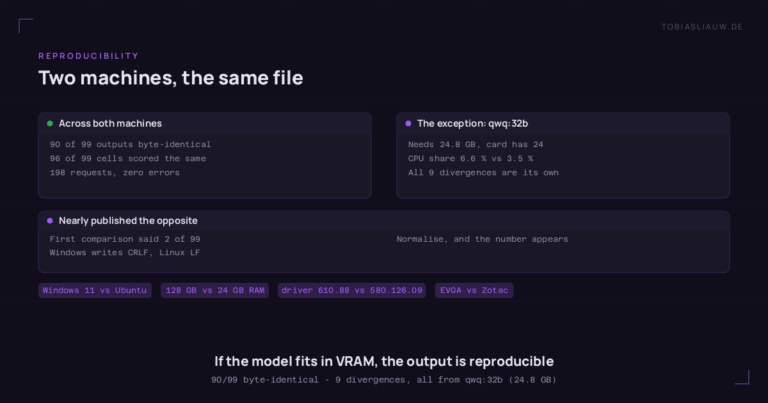
Eleven local models, three real tasks, two RTX 3090 hosts, 198 requests, zero errors. 90 of 99 outputs came back byte-identical across machines — and the…
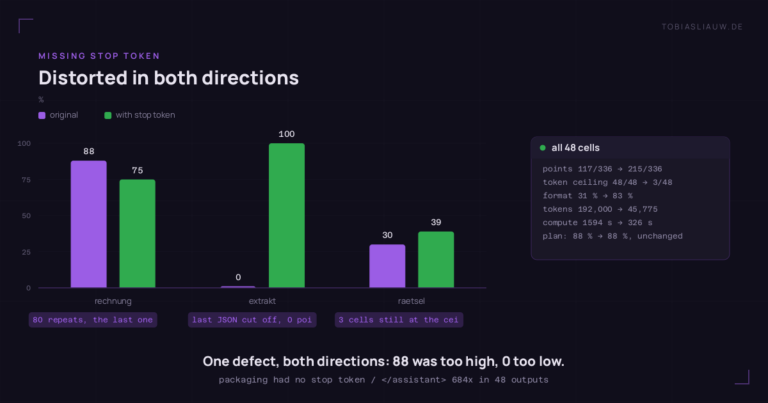
One model sits at the bottom of the table with 35 percent. The number was measured honestly — and is still wrong, in both directions at…
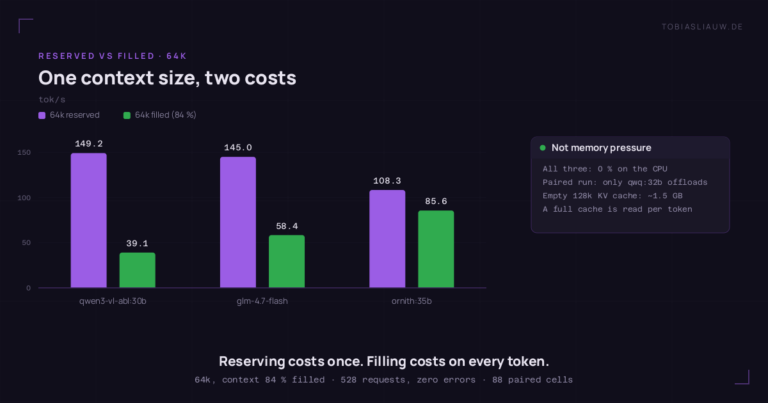
Two RTX 3090s, eleven models with identical digests, 528 requests and no errors. Reserving a 128k KV cache is nearly free; filling it costs 10 to…
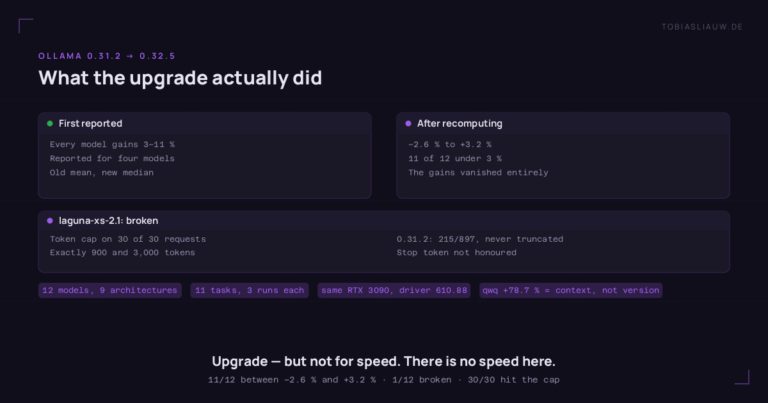
Ollama 0.32.5 was out, my workstation was still on 0.31.2, and I had just finished benchmarking 26 models on it. So I had a rare opportunity:…
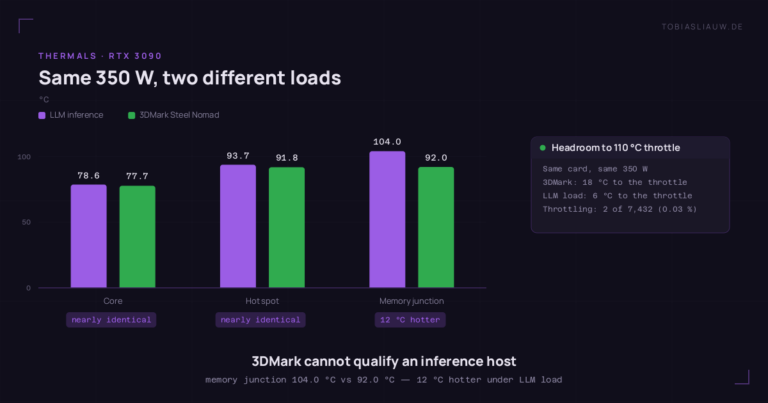
I have an RTX 3090 sitting in a Windows workstation that is about to be torn down and rebuilt as a Proxmox AI host. Before that…
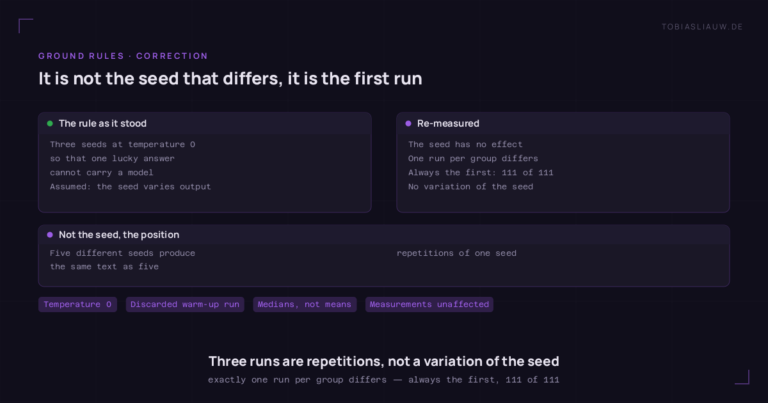
Two hosts that share a graphics card and almost nothing else, scoring that only counts what a script can verify, and the rules every number in…
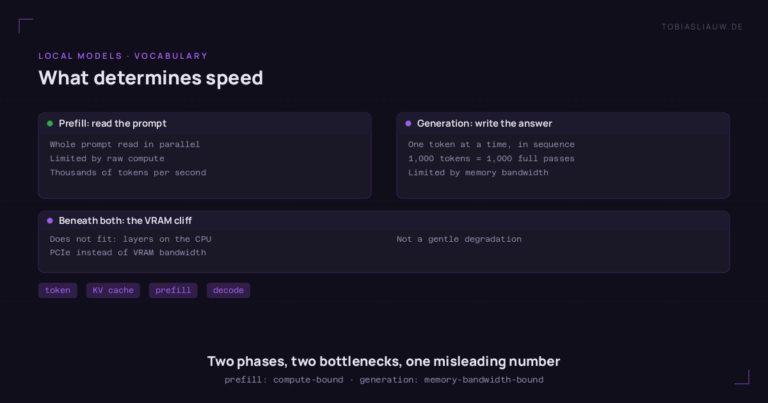
The opening piece of a series in which I test what local language models actually do on hardware you can buy. This first part has no…
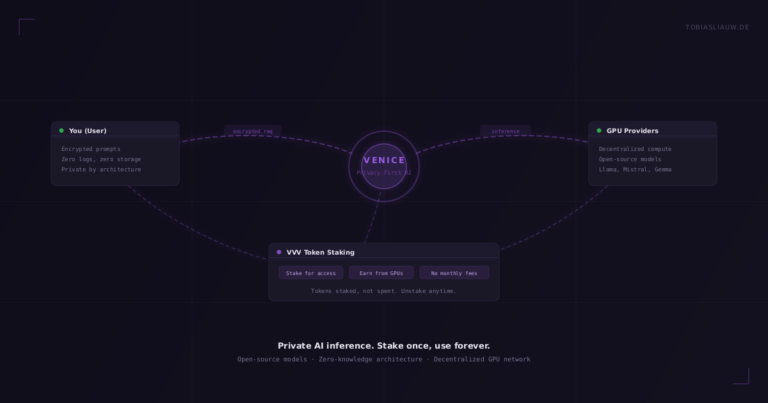
Venice.ai runs open-source models with zero-knowledge privacy. No prompt logging, no training on your data. The VVV token staking model gives you permanent AI access without…
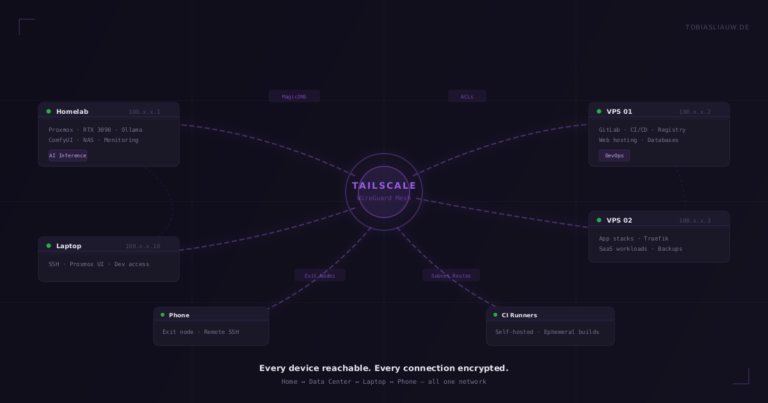
How I use Tailscale to connect my homelab, data center servers, and everything in between into one encrypted mesh network. ACLs, MagicDNS, subnet routing, and why…